

New Blood Pressure Guidelines: What Changed and Why It Matters
The new blood pressure guidelines place greater emphasis on early intervention, healthy lifestyle habits, and regular monitoring. For many adults with elevated blood pressure or Stage 1 hypertension, lifestyle changes may be recommended before medication, helping reduce the risk of heart disease, stroke, kidney disease, and cognitive decline.
High blood pressure affects nearly one in two adults in the United States. The latest recommendations from the American Heart Association (AHA) and American College of Cardiology (ACC) are designed to help people take action sooner and improve long-term health outcomes.
Why High Blood Pressure Is a Serious Health Risk
High blood pressure, also known as hypertension, often develops without noticeable symptoms. Left unmanaged, it can increase the risk of:
- Heart disease
- Stroke
- Kidney disease
- Cognitive decline
- Dementia
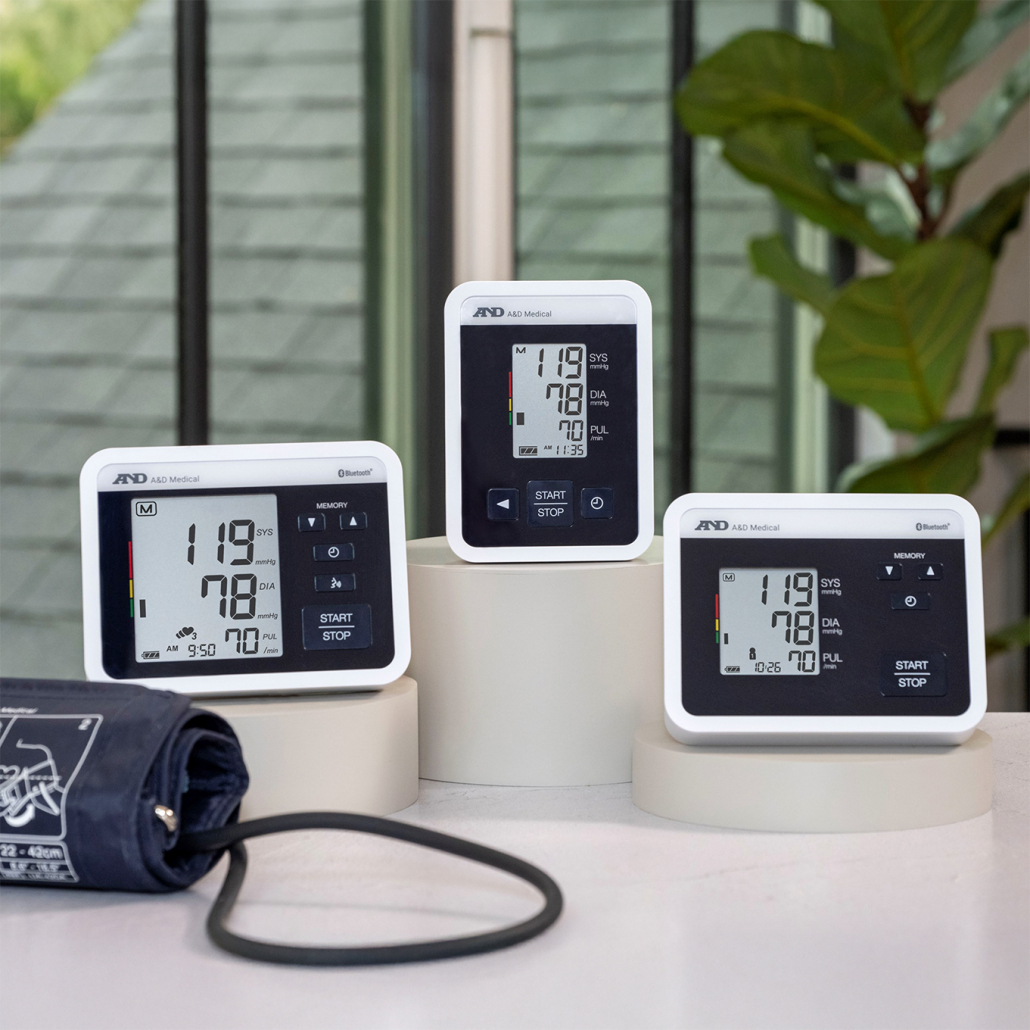
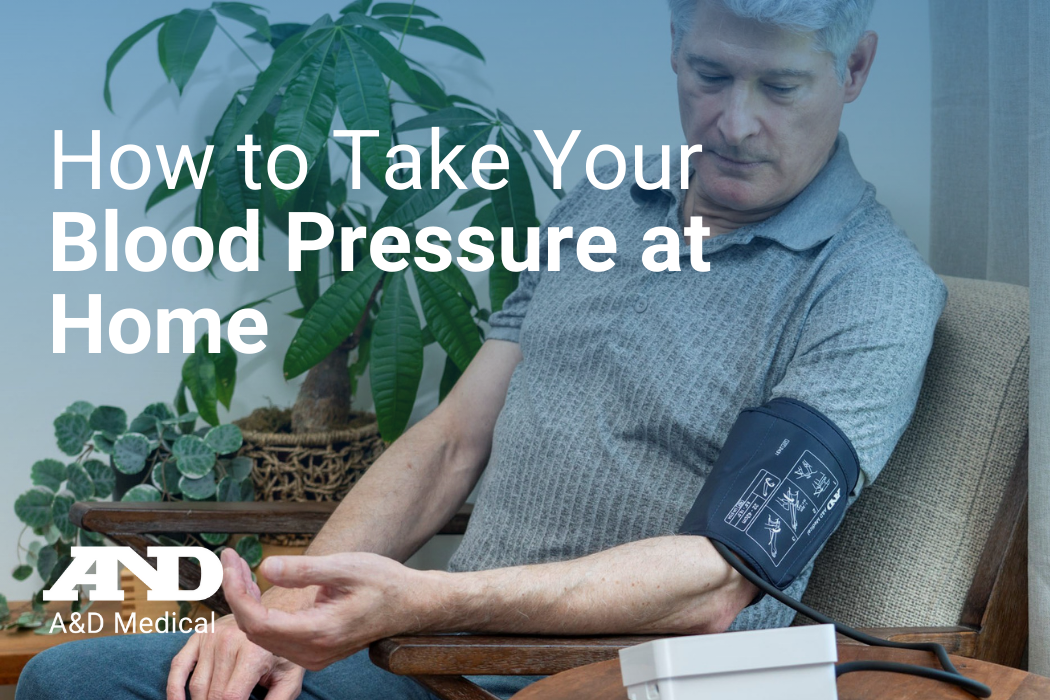
Because symptoms are not always obvious, regular blood pressure monitoring is one of the most effective ways to stay informed about your health.
What Is Considered Normal Blood Pressure?
| Category | Blood Pressure |
|---|---|
| Normal | Below 120/80 mm Hg |
| Elevated | 120-129 and less than 80 mm Hg |
| Stage 1 Hypertension | 130-139 or 80-89 mm Hg |
| Stage 2 Hypertension | 140/90 mm Hg or higher |
What Are the New Blood Pressure Guidelines?
The updated recommendations encourage healthcare providers and patients to focus on healthy lifestyle changes earlier in the process.
For individuals with systolic blood pressure readings between 130 and 139 mm Hg, lifestyle modifications may be recommended before medication in certain situations. This approach helps address risk factors early and gives people more opportunities to improve their blood pressure through daily habits.