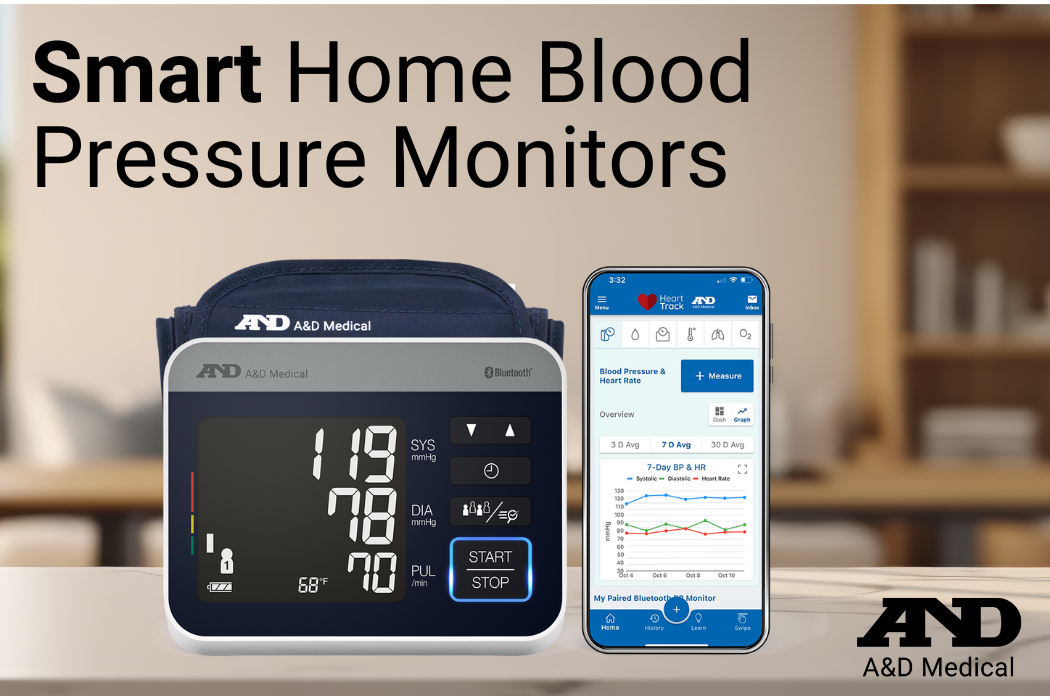
How to Check Your Blood Pressure at Home: A Heart Health Month Guide
Learning how to check your blood pressure at home starts with using a clinically validated monitor, choosing the correct cuff size, and following proper positioning. Accurate home blood pressure monitoring can help you track trends, support conversations with your healthcare provider, and take a more active role in your heart health during Heart Health Month.
Why Accurate Home Readings Matter.
Accurate blood pressure readings depend on using a clinically validated home blood pressure monitor, selecting the correct cuff size, and following proper measurement techniques.
Hypertension Canada recommends using validated monitors because they provide reliable results when used correctly.
Use a Clinically Validated Monitor
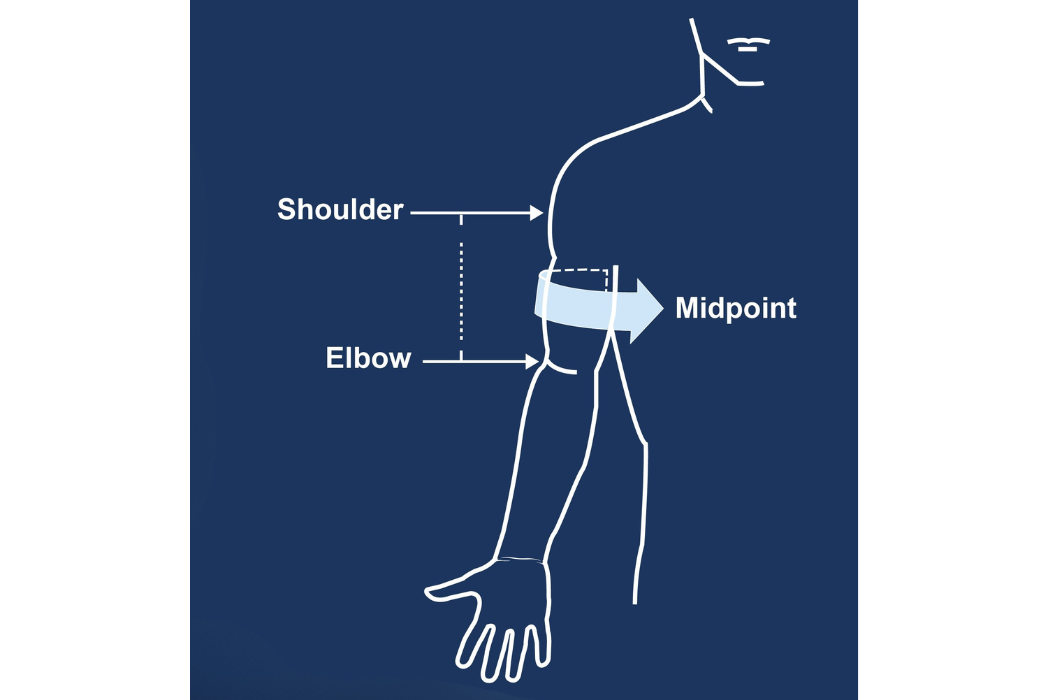
Choose the Right Cuff Size
• Compare the measurement to the manufacturer’s sizing chart.
Factors That Can Affect Your Blood Pressure
• Exercise, caffeine, alcohol, or smoking
• Stress or tension
• Temperature or seasonal changes
How to Take Blood Pressure at Home Step by Step
For Upper Arm Monitors
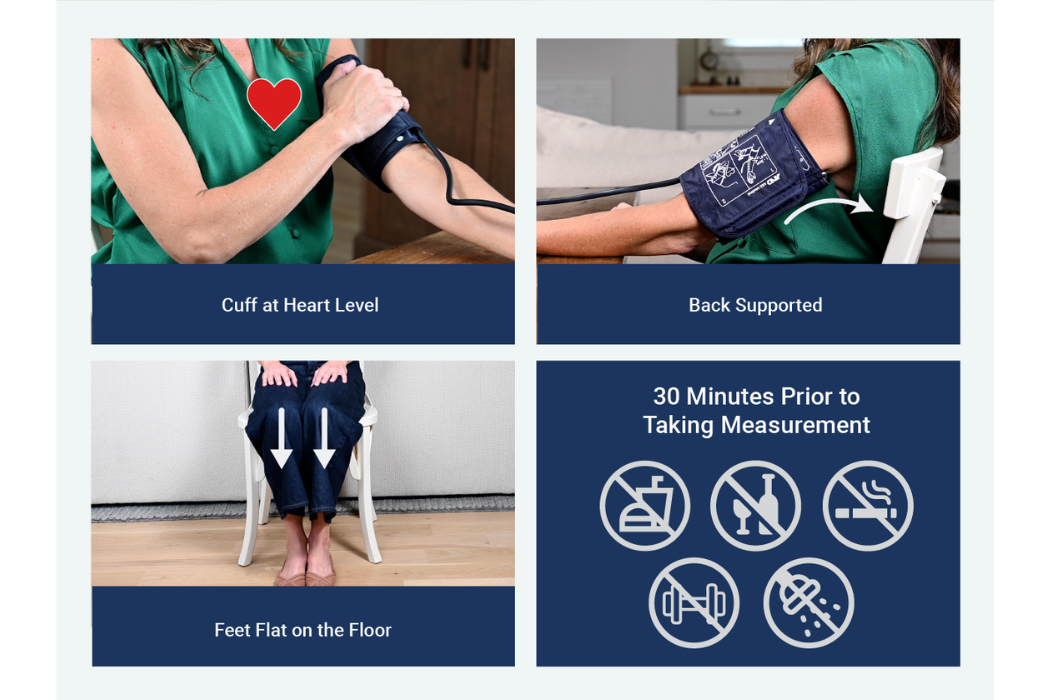
- Sit upright with your feet flat on the floor.
- Place the cuff on your bare upper arm, one and a half centimeters above the elbow.
- Rest your arm on a table so the cuff is at heart level.
- Start the measurement and remain still and silent.
For Wrist Monitors
- Wrap the cuff around the inside of your wrist at the wrist crease.
- Hold your wrist at heart level.
- Start the measurement and stay still during the reading.
Tips for Consistent Home Monitoring
• Take two or three readings each time, then average them.
• Track your results using a notebook or the A&D Heart Track App.
Why Home Monitoring Matters in Canada
Nearly one in four Canadian adults live with high blood pressure, and many are unaware of it. Home monitoring helps detect hypertension early and supports long-term heart health.
Heart Health Month Reminder
Download the Home Blood Pressure Monitoring Logbook
Checking your blood pressure at home is one of the simplest ways to stay engaged in your cardiovascular health. Using a clinically validated monitor, selecting the correct cuff size, and following a consistent measurement routine can help improve the accuracy of your readings and support long-term heart health goals.
Frequently Asked Questions
What is the best time to check blood pressure at home?
The best times are usually in the morning before medication or caffeine and again in the evening. Taking readings at the same times each day helps track trends more accurately.
How many blood pressure readings should I take?
Take two or three readings one minute apart and record the average.
Can caffeine affect blood pressure readings?
Yes. Caffeine may temporarily increase blood pressure. Avoid caffeine for 30 minutes before measuring.
 https://medical.andonline.com/wp-content/uploads/2021/08/SYS-DIA.png 700 1050 Monika Patel https://medical.andonline.com/wp-content/uploads/2021/11/AD-MedicalLogo-RGB.png Monika Patel2021-08-10 22:15:272026-09-24 20:22:10Systolic vs. Diastolic Blood Pressure
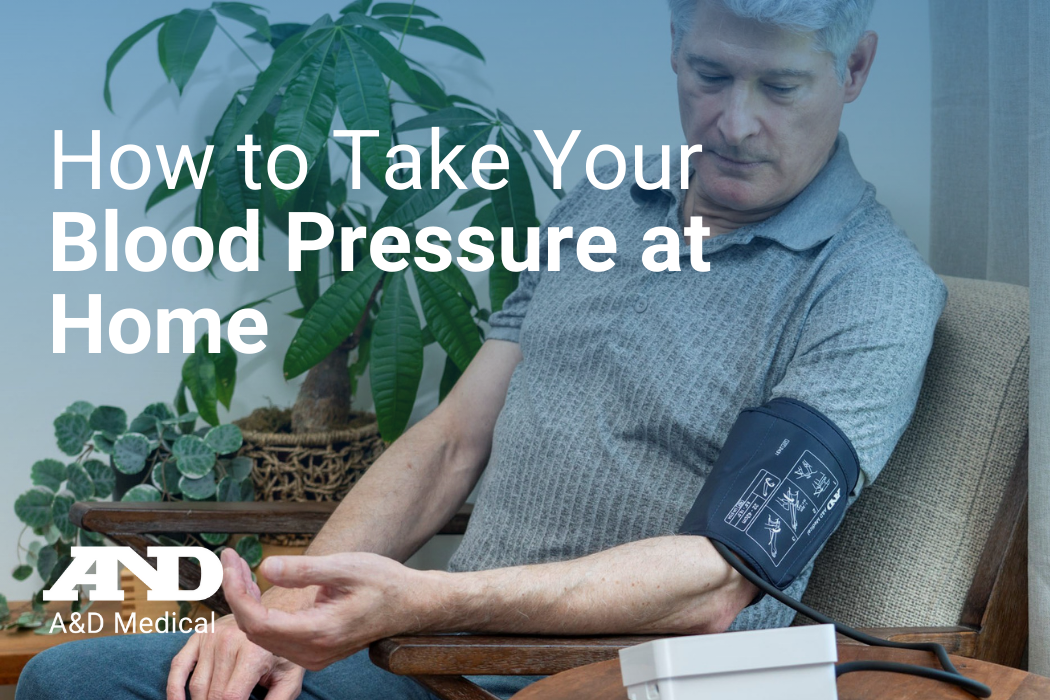 https://medical.andonline.com/wp-content/uploads/2021/08/Copy-of-Alzheimers-Blog-Post-1050-x-700-px.png 700 1050 Monika Patel https://medical.andonline.com/wp-content/uploads/2021/11/AD-MedicalLogo-RGB.png Monika Patel2021-08-03 18:10:472026-09-18 14:12:48How to Take Your Blood Pressure at Home
 https://medical.andonline.com/wp-content/uploads/2021/08/High_BP_101_Blog.jpg 700 1050 Monika Patel https://medical.andonline.com/wp-content/uploads/2021/11/AD-MedicalLogo-RGB.png Monika Patel2021-08-01 23:25:182026-09-24 18:33:03High Blood Pressure 101