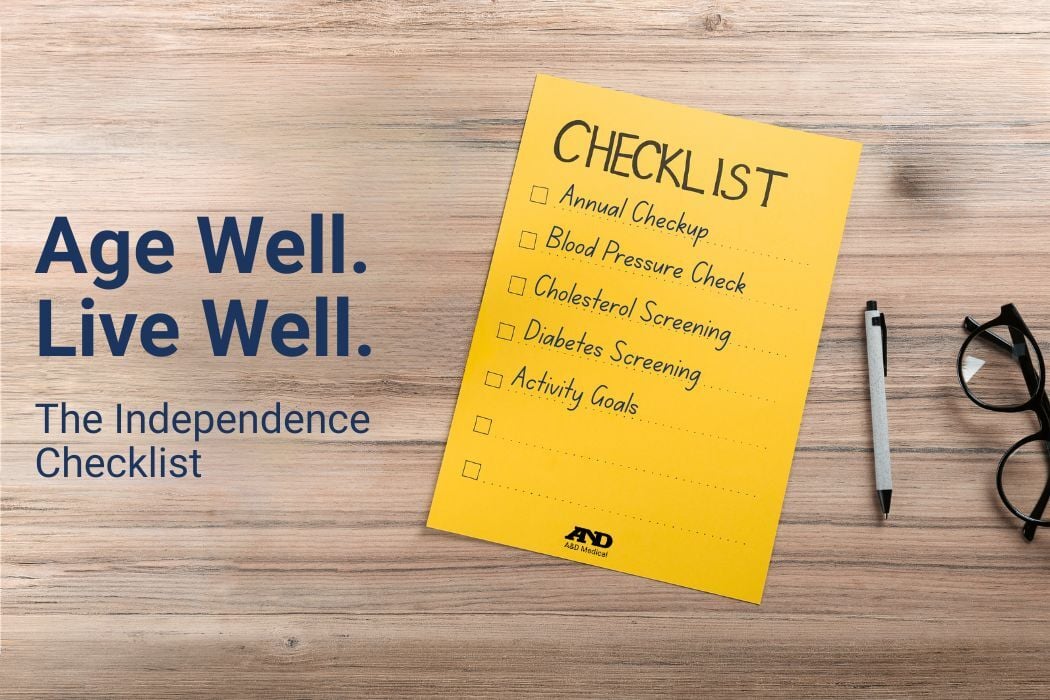


Healthy Aging: How To Age Well, Stay Active, And Take Control Of Your Health
Healthy Aging Key Takeaways
- Schedule annual wellness visits and preventive screenings.
- Monitor blood pressure regularly and track trends over time.
- Understand your cholesterol and blood sugar numbers.
- Stay physically active with activities you enjoy.
- Use home health monitoring tools to stay engaged in your wellness journey.
- Work with your healthcare provider to create personalized health goals.
Quick Answer
Healthy aging means maintaining your health, mobility, and independence through preventive care, regular health monitoring, physical activity, and ongoing communication with your healthcare provider. Understanding important health measures such as blood pressure, cholesterol, blood sugar, and weight can help you make informed decisions about your long-term wellness.
Healthy aging is not about stopping the aging process. It is about building healthy habits that help you stay active, informed, and engaged in your health at every stage of life.

Why Healthy Aging Matters
FAQ: What Is Healthy Aging?
Healthy aging is the process of maintaining physical health, mobility, independence, and overall well-being through preventive care, healthy lifestyle choices, regular health monitoring, and ongoing engagement with healthcare providers.
Prioritize Preventive Care
Annual wellness visits are a cornerstone of healthy aging. These appointments provide an opportunity to review medications, discuss symptoms, update vaccinations, and set health goals for the year ahead.
To get the most from your next appointment:
Review your current medications.
Prepare questions for your healthcare provider.
Bring recent health records or measurements.
Discuss any changes in your health since your last visit.


Monitor Blood Pressure At Home
FAQ: Why Is Blood Pressure Monitoring Important As You Age?
General Blood Pressure Reference Ranges
| Status | Systolic | Diastolic |
|---|---|---|
| Normal | Less than 120 | Less than 80 |
| Elevated | 120 to 129 | Less than 80 |
| High Blood Pressure Stage 1 | 130 to 139 | 80 to 89 |
| High Blood Pressure Stage 2 | 140 or Higher | 90 or Higher |

Understand Your Cholesterol Numbers
Monitoring cholesterol is an important part of supporting cardiovascular health. Routine cholesterol screenings can help you and your healthcare provider better understand heart health and determine whether lifestyle adjustments may be beneficial.
Key measurements include:
- Total Cholesterol
- LDL Cholesterol
- HDL Cholesterol
- Triglycerides
FAQ: What Cholesterol Numbers Should Older Adults Know?
General cholesterol reference ranges include total cholesterol below 200 mg/dL, LDL below 100 mg/dL, HDL above 40 mg/dL for men and above 50 mg/dL for women, and triglycerides below 150 mg/dL. Individual goals should always be discussed with your healthcare provider.
Track Weight As Part Of Your Wellness Routine
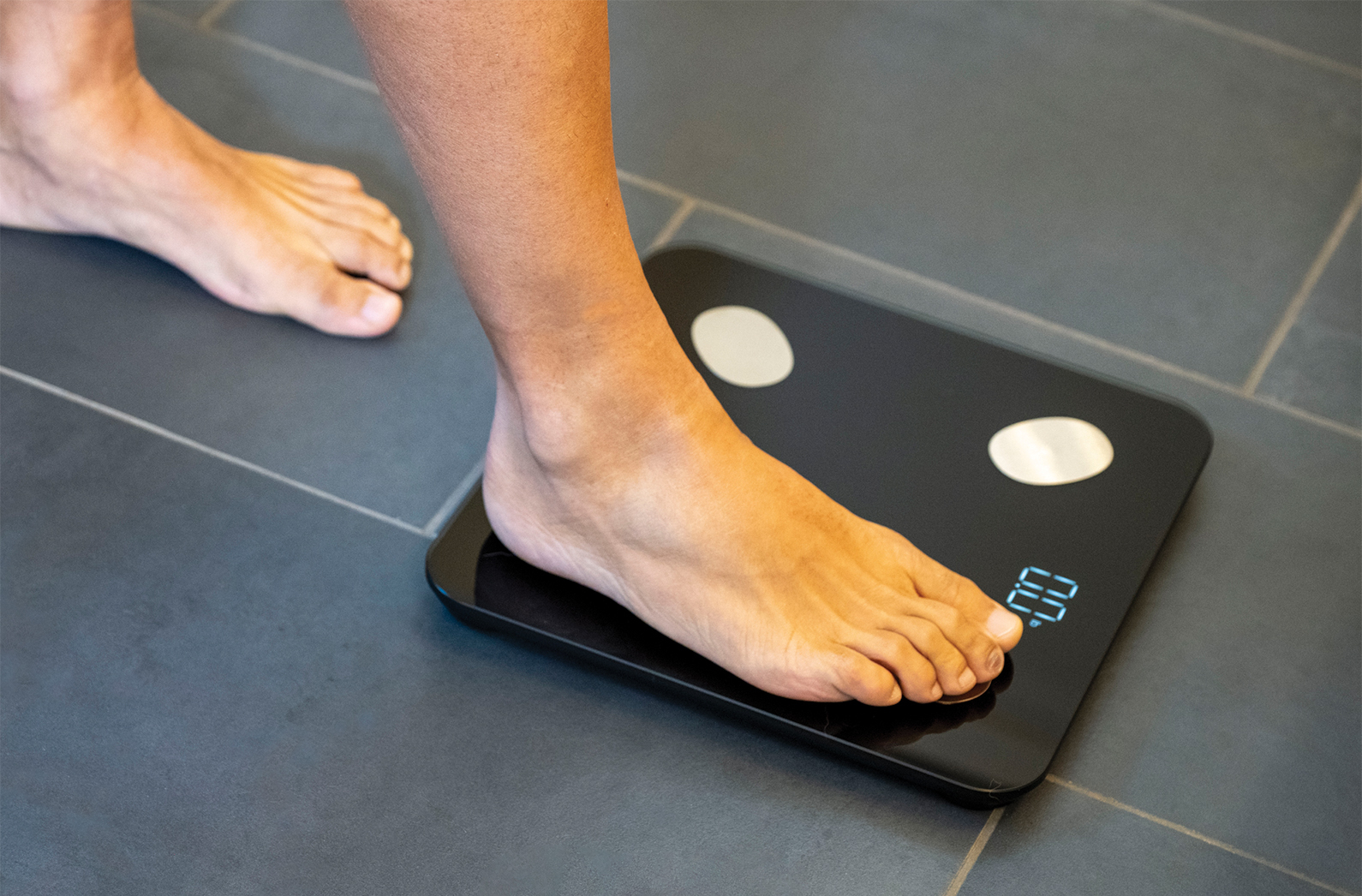
FAQ: Why Is Weight Tracking Important For Healthy Aging?

Stay Informed About Blood Sugar Health
FAQ: How Often Should Older Adults Have Diabetes Screenings?
A1C Reference Ranges
- Normal: Below 5.7%
- Prediabetes: 5.7% to 6.4%
- Diabetes: 6.5% or Higher
Fasting Blood Glucose Reference Ranges
- Normal: 70 to 99 mg/dL
- Prediabetes: 100 to 125 mg/dL
- Diabetes: 126 mg/dL or Higher

Keep Moving To Support Healthy Aging
Physical activity can support mobility, flexibility, and independence as you age. The best exercise routine is often one that you enjoy and can maintain consistently.
- Walking
- Cycling
- Swimming
- Yoga
- Stretching
- Gardening
- Strength Training
FAQ: What Is The Best Exercise For Healthy Aging?
Create Your Healthy Aging Plan
Healthy aging is most effective when it is personalized. Consider setting simple goals that align with your lifestyle and health priorities.
- Scheduling annual wellness visits.
- Monitoring blood pressure regularly.
- Tracking weight and health goals.
- Staying physically active throughout the week.
- Reviewing cholesterol and blood sugar results.
- Maintaining open communication with your healthcare provider.

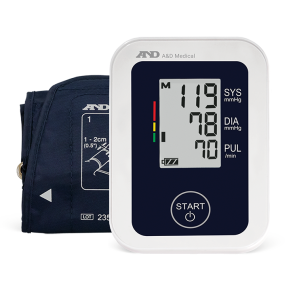
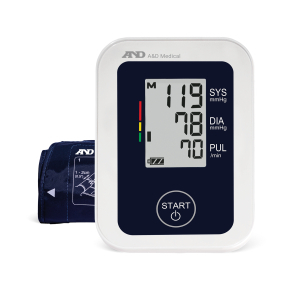
Home health monitoring can also play an important role in helping you stay engaged with your wellness between appointments. Tools such as A&D Medical blood pressure monitors and wellness tracking devices can help provide meaningful health insights that support productive discussions with your healthcare provider.
Recommended Tools For Healthy Aging
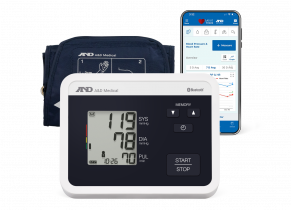
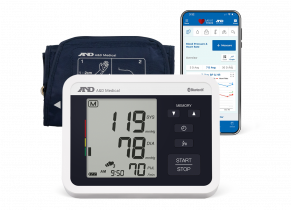
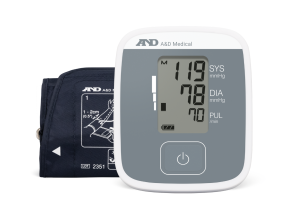
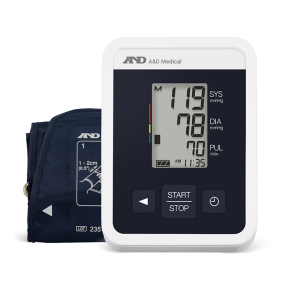
-
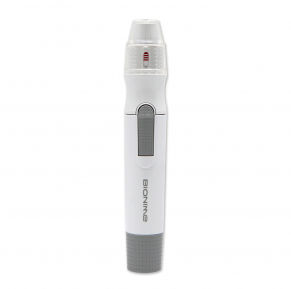
Bionime GD500 Lancing Device
Select options This product has multiple variants. The options may be chosen on the product page
Frequently Asked Questions
What health metrics should older adults track?
Important health metrics may include blood pressure, cholesterol, blood sugar, weight, and physical activity levels. Tracking these measurements can help you better understand changes over time and support healthcare conversations.
Can home health monitoring support healthy aging?
Home health monitoring can help individuals stay informed about important health trends between healthcare visits. Blood pressure monitors and wellness tracking tools can support ongoing health awareness and recordkeeping.
What is the most important step for healthy aging?
There is no single most important step. Healthy aging generally involves a combination of preventive care, routine screenings, physical activity, healthy habits, and regular communication with your healthcare provider.
 https://medical.andonline.com/wp-content/uploads/2021/08/SYS-DIA.png 700 1050 Monika Patel https://medical.andonline.com/wp-content/uploads/2021/11/AD-MedicalLogo-RGB.png Monika Patel2021-08-10 22:15:272026-09-24 20:22:10Systolic vs. Diastolic Blood Pressure
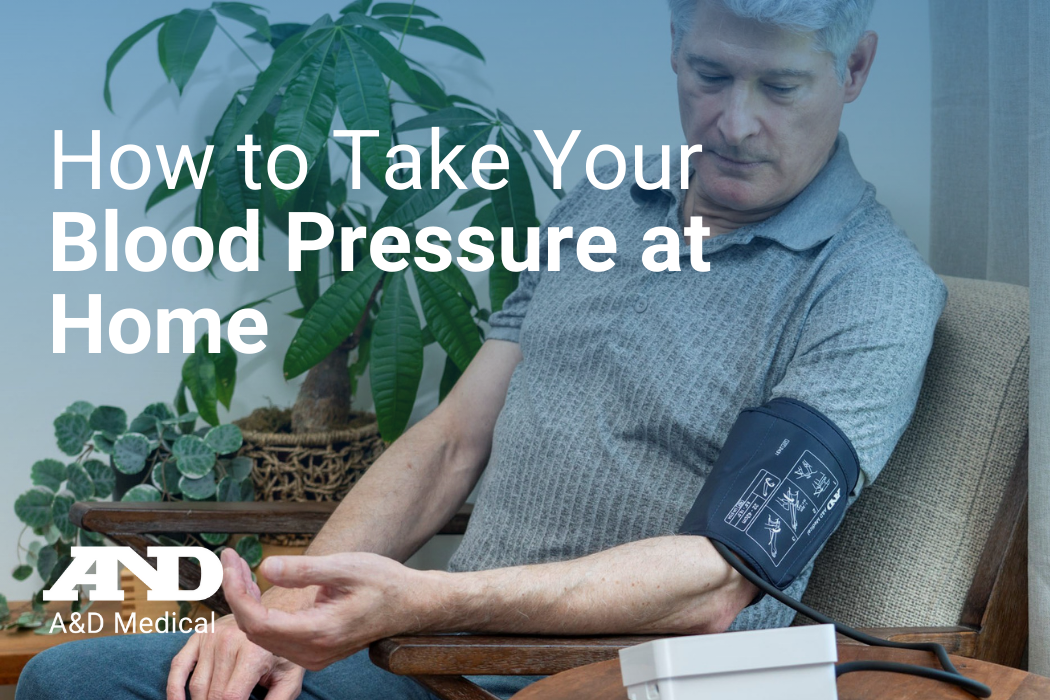 https://medical.andonline.com/wp-content/uploads/2021/08/Copy-of-Alzheimers-Blog-Post-1050-x-700-px.png 700 1050 Monika Patel https://medical.andonline.com/wp-content/uploads/2021/11/AD-MedicalLogo-RGB.png Monika Patel2021-08-03 18:10:472026-09-18 14:12:48How to Take Your Blood Pressure at Home
 https://medical.andonline.com/wp-content/uploads/2021/08/High_BP_101_Blog.jpg 700 1050 Monika Patel https://medical.andonline.com/wp-content/uploads/2021/11/AD-MedicalLogo-RGB.png Monika Patel2021-08-01 23:25:182026-09-24 18:33:03High Blood Pressure 101